Underlake
Erin L. McCoy
When a mother claims her missing daughter is alive beneath a lake in a flooded valley, a marine biologist descends into a hidden underwater settlement where those who refused to leave have built a sealed-off world—and where the consequences of that choice are beginning to surface.
“In the vein of Margaret Atwood and Emily St. John Mandel, McCoy’s novel is a thoughtful, ethereal story that . . . feels as though it came from the eerie depths it describes.” —Booklist (starred review)
“Mesmerizing . . . Through lightless tunnels and shimmering pools . . . this book illuminates how faith, language, and truth can warp or sharpen under extraordinary pressure.” —Susanna Kwan, author of Awake in the Floating City
“Stunning . . . Achingly true to the human need for hope and forgiveness, Underlake reveals the greatest depths are within the human heart.” —Ron Rash, author of The Caretaker
Twelve years ago, Otta escaped her small town, determined to become a marine biologist. Now she’s returned, carrying the guilt of a friend’s disappearance during a deep-sea dive and unsure she’ll ever be able to dive again. Then a stranger, May, appears at her door, insisting that her daughter who ran away is under the nearby lake—alive.
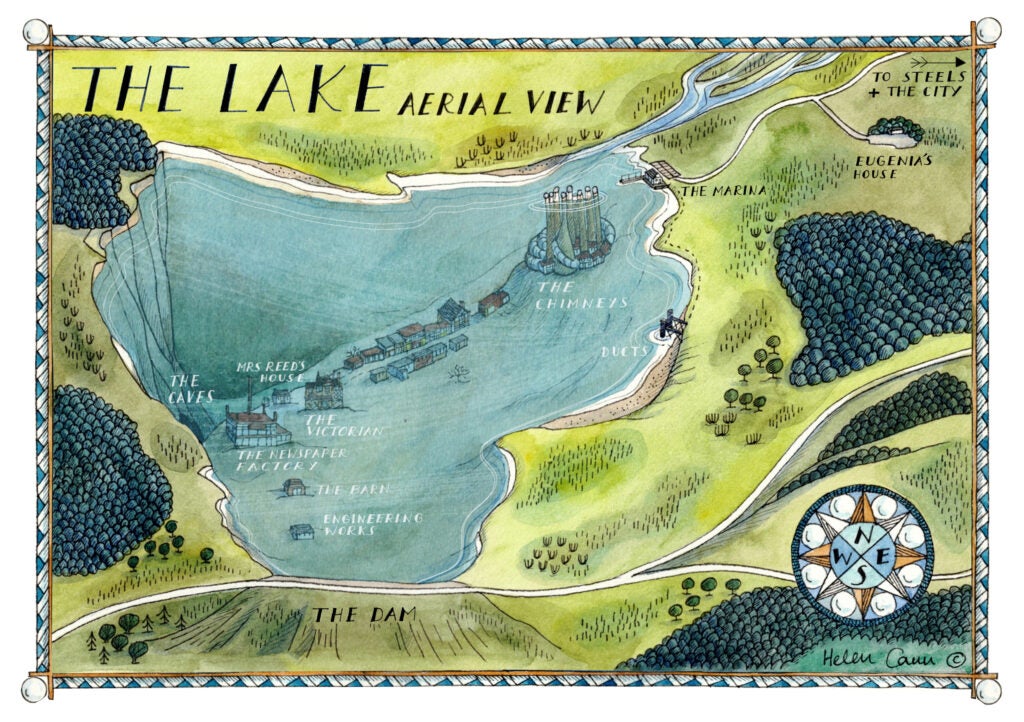
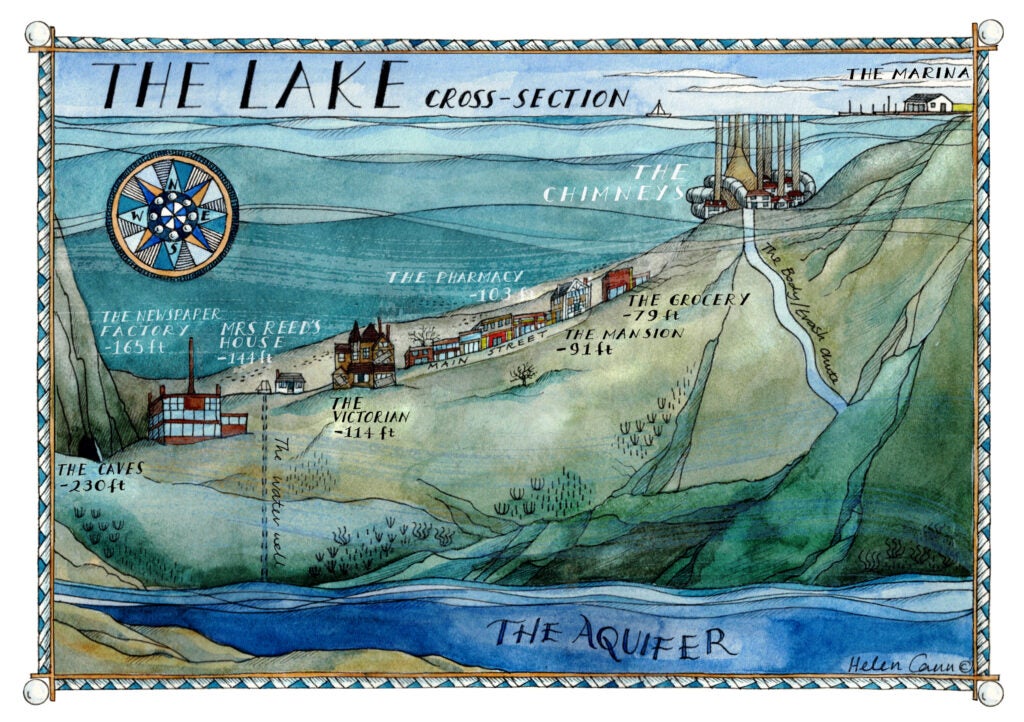
It turns out the small-town legend is true: Three decades ago, the entire valley was flooded to build a dam, but the people who lived there refused to leave. These “refugees of a world obsessed with change” now inhabit an underwater realm. To find the missing girl, Otta and May come face-to-face with communities that have lived in isolation for decades, breeding extremes of delusion and nostalgia. As they push their bodies to the mortal limit, the women must confront the fear, control, and suspicion born of the misguided quest to construct a purer world.
Hypnotic and arresting, Underlake brings a poet’s attention to language, evoking the ethereal work of Marilynne Robinson, Lauren Groff, and Emily St. John Mandel and the imaginative brio of Margaret Atwood. In taking her place as a major new voice in American fiction, McCoy shrewdly explores the American obsession with land, inheritance, and race, asking what we cling to when the world changes—and who gets erased in the name of preserving it.
“In the vein of Margaret Atwood and Emily St. John Mandel, McCoy’s novel is a thoughtful, ethereal story that . . . feels as though it came from the eerie depths it describes.” —Booklist (starred review)
“Mesmerizing . . . Through lightless tunnels and shimmering pools . . . this book illuminates how faith, language, and truth can warp or sharpen under extraordinary pressure.” —Susanna Kwan, author of Awake in the Floating City
“Stunning . . . Achingly true to the human need for hope and forgiveness, Underlake reveals the greatest depths are within the human heart.” —Ron Rash, author of The Caretaker
Twelve years ago, Otta escaped her small town, determined to become a marine biologist. Now she’s returned, carrying the guilt of a friend’s disappearance during a deep-sea dive and unsure she’ll ever be able to dive again. Then a stranger, May, appears at her door, insisting that her daughter who ran away is under the nearby lake—alive.
It turns out the small-town legend is true: Three decades ago, the entire valley was flooded to build a dam, but the people who lived there refused to leave. These “refugees of a world obsessed with change” now inhabit an underwater realm. To find the missing girl, Otta and May come face-to-face with communities that have lived in isolation for decades, breeding extremes of delusion and nostalgia. As they push their bodies to the mortal limit, the women must confront the fear, control, and suspicion born of the misguided quest to construct a purer world.
Hypnotic and arresting, Underlake brings a poet’s attention to language, evoking the ethereal work of Marilynne Robinson, Lauren Groff, and Emily St. John Mandel and the imaginative brio of Margaret Atwood. In taking her place as a major new voice in American fiction, McCoy shrewdly explores the American obsession with land, inheritance, and race, asking what we cling to when the world changes—and who gets erased in the name of preserving it.